Mon–Fri 8AM–5PM · Telehealth Available
VerityMD Neurology accepts new patient referrals by fax: (916) 244-3875

VerityMD Neurology Services
Home / Services

Seizures and Ambulatory EEG Monitoring
Seizures can look very different from person to person. Some patients have shaking or convulsions, while others may experience staring spells, confusion, memory gaps, unusual sensations, sudden falls, unexplained loss of awareness, or episodes that are difficult to describe.

Dizziness, Vertigo, and Balance Evaluation
Dizziness can be frustrating and difficult to explain. Some patients feel spinning or vertigo, while others feel lightheaded, unsteady, off balance, faint, foggy, or like they may pass out when standing.
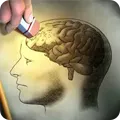
Dementia, Memory Loss, and Cognitive Issues
Memory problems can be stressful for patients and families. Some people notice forgetfulness, word-finding difficulty, repeated questions, misplacing items, medication errors, driving changes, difficulty with finances, personality changes, or reduced ability to complete familiar tasks.
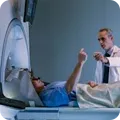
Tremor Evaluation and Treatment
Tremor can affect writing, eating, holding a cup, typing, dressing, work, hobbies, and confidence. Some patients notice hand tremor, while others may have head tremor, voice tremor, leg tremor, internal shaking, or tremor at rest.
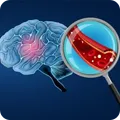
Stroke and TIA Follow-Up Care
A stroke or transient ischemic attack, often called a TIA or mini-stroke, can be life-changing. Even after the emergency phase, patients often need neurological follow-up to understand what happened, reduce future risk, review medications, monitor recovery, and address lingering symptoms.
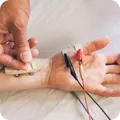
EMG and Nerve Conduction Testing
Numbness, tingling, burning pain, weakness, muscle cramping, hand symptoms, foot symptoms, and radiating neck or back pain can come from the nerve, nerve root, muscle, spine, or a combination of these.

Autonomic Testing and Small Fiber Neuropathy Evaluation
The autonomic nervous system controls automatic body functions such as heart rate, blood pressure regulation, sweating, circulation, digestion, and the body’s response to standing.

Botox and Neurological Injection Treatments
Botulinum toxin treatment, commonly known by brand names such as Botox, is used in neurology for selected conditions involving chronic migraine, overactive muscles, abnormal nerve signals, facial spasms, dystonia, spasticity, and selected pain syndromes.

Migraine and Headache Care
Headaches can interfere with work, family life, sleep, mood, concentration, and daily function. Some patients have occasional migraines, while others experience frequent or disabling headaches for many days each month.

Parkinson’s Disease and Movement Disorders
Parkinson’s disease and movement disorders can affect walking, balance, tremor, stiffness, slowness, sleep, mood, memory, blood pressure, constipation, and daily independence.

Neuropathy and Nerve Pain
Neuropathy can cause numbness, tingling, burning pain, electric shocks, weakness, imbalance, and reduced sensation in the hands or feet.

Neck Pain, Back Pain, and Radiculopathy
Neck and back problems can cause nerve symptoms such as pain, numbness, tingling, weakness, radiating arm pain, radiating leg pain, and difficulty walking.
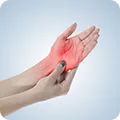
Carpal Tunnel and Nerve Compression
Hand numbness, tingling, night symptoms, pain, weakness, and dropping objects are common reasons for neurology referral. Symptoms may be caused by carpal tunnel syndrome, ulnar neuropathy, cervical radiculopathy, peripheral neuropathy, or other nerve problems.
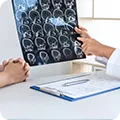
Multiple Sclerosis and Neuroimmunology
Multiple sclerosis and related neuroimmune conditions can cause numbness, weakness, vision changes, walking problems, fatigue, dizziness, bladder symptoms, cognitive changes, and episodes of neurological dysfunction.
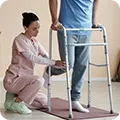
Falls, Gait, and Balance Evaluation
Falls and balance problems can have many causes, including neuropathy, Parkinson’s disease, stroke, spine disease, vestibular disorders, medication side effects, autonomic dysfunction, muscle weakness, and cognitive impairment.
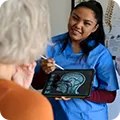
Chronic Care Management for Neurological Conditions
Many neurological conditions require ongoing support beyond a single office visit. Patients and families may need help with medication coordination, symptom monitoring, testing follow-through, caregiver concerns, safety planning, and communication between healthcare providers.
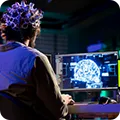
Cognitive Testing and Creyos Evaluation
Cognitive symptoms can be subtle. Patients may notice memory problems, word-finding difficulty, slower thinking, difficulty concentrating, work-performance changes, or trouble managing complex daily tasks.
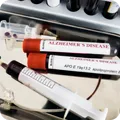
Alzheimer’s Treatment Evaluation and Leqembi Candidacy Review
Some patients with mild cognitive impairment or early Alzheimer’s disease may ask whether newer disease-modifying therapies such as anti-amyloid treatments could be appropriate.

Facial Pain and Trigeminal Neuralgia
Facial pain can be severe and disruptive. Trigeminal neuralgia often causes brief, electric shock-like pain triggered by talking, chewing, brushing teeth, touching the face, or cold air.

Concussion and Head Injury Evaluation
Concussion and head injury can cause headaches, dizziness, light sensitivity, sleep disturbance, brain fog, mood changes, memory symptoms, and difficulty returning to work, school, or usual activities.

Sleep and Neurological Symptoms
Sleep problems can worsen many neurological symptoms, including migraine, memory problems, seizures, Parkinson’s disease, dizziness, pain, and fatigue.
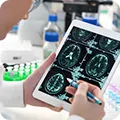
Neurodiagnostic Testing Overview
Neurodiagnostic testing can help clarify symptoms that are difficult to explain from history alone. Different tests evaluate different parts of the nervous system.

Neurological Medication Review
Medication side effects and drug interactions can mimic or worsen neurological symptoms. Some patients take multiple medications that are individually reasonable but together increase dizziness, falls, brain fog, tremor, sleepiness, or confusion.
Neurology Infusion Services
Some neurological conditions may require infusion-based treatment or monitoring pathways. Infusion care requires careful diagnosis, insurance authorization, medication safety review, monitoring, and coordination between the neurology team, infusion partner, and patient’s other clinicians.

New Patient Referrals
VerityMD Neurology is a referral-based neurology clinic. New patient referrals must be faxed directly from the patient’s primary care physician, specialist, or referring provider’s office.

For Referring Providers
VerityMD Neurology partners with primary care physicians, specialists, hospitals, and referring provider offices to provide neurological evaluation, diagnostic testing, and care planning for patients with a wide range of neurological concerns.
We accept the following insurance






What Patients Say About Their VerityMD Experience
Being heard. Finding answers. Knowing what comes next.
I found Dr Mittal and his assistants to be very thorough and kind. They did not rush me through my appointment but listened to my concerns and then they were very good about addressing those concerns. I came away from the appointment feeling so much better because they really listened to me. So many doctors these days don’t bother to examine me but that was not my experience with Dr Mittal and his assistants. The front desk people were also very kind and professional.

Excellent experience at VerityMD Neurology Clinic. The staff was professional, caring, and attentive. The doctor listened carefully to my concerns and explained everything clearly. The clinic was clean and well organized. I highly recommend this clinic to anyone looking for quality neurological care. Thank you for your excellent service.
Dr. Mittal and his team are so professional and helpful. I started seeing him last year. He has been very thorough in diagnosing my health condition. He and his staff are kind and caring.
My husband and I are very impressed with the care and professionalism of Dr. Mittal and his staff. Dr. Mittal took time to listen to us - to ask us questions - and to clearly explain the diagnosis and his treatment recommendations. We feel very fortunate - and relieved - to have this neurologist as a member of our care team.
Saw Dr. Mittal and during the first visit he was able to order a few tests that helped diagnose my issue. During the appointment he spent a good amount of time with me and made me feel heard. He was then able to see me again on short notice to help direct me towards next steps, I am very grateful to him.
My 1st appointment with Dr. Mittal, was such a pleasure & surprise. The staff & Dr. Mittal were kind & not in such a hurry. The Dr. took a half hour with me, thoroughly explaining his thoughts & what was to come. Impressed is not a strong enough adjective! Thank you for being a true Doctor who cares.
VerityMD Neurology offers expert neurological care for Sacramento, Carmichael, Folsom, and surrounding communities under the guidance of board-certified neurologist Dr. Manoj Mittal.


Quick Links
Services
Folsom Clinic
Office Hours
Mon-Fri: 8:00 AM–12:00 PM and 1:00 PM–5:00 PM
Closed for lunch: 12:00 PM–1:00 PM
Sat–Sun: Closed
Carmichael Clinic
Office Hours
Mon-Wed: 8:00 AM–12:00 PM and 1:00 PM–5:00 PM
Closed for lunch: 12:00 PM–1:00 PM
Thur, Fri, Sat–Sun: Closed
Copyright 2026. VerityMD Inc. All Rights Reserved.
Terms and conditions | Privacy Policy | Powered by Get Top Listed Inc.
Referral Information: New patients require a referral from their primary care provider or referring clinician.