Mon–Fri 8AM–5PM · Telehealth Available
VerityMD Neurology accepts new patient referrals by fax: (916) 244-3875

Comprehensive Neurology Evaluation for Memory Loss, Confusion, and Cognitive Change
Memory problems can be stressful for patients and families. Some people notice forgetfulness, word-finding difficulty, repeated questions, misplacing items, medication errors, driving changes, difficulty with finances, personality changes, or reduced ability to complete familiar tasks.
At VerityMD Neurology, we provide structured evaluation for memory loss and cognitive concerns, including early recognition, diagnosis, education, safety planning, chronic care support, caregiver coordination, and personalized treatment options.

Symptoms We Evaluate
Memory loss
Repeating questions or conversations
Word-finding difficulty
Confusion or brain fog
Difficulty managing medications, bills, finances, or appointments
Getting lost
Judgment or personality changes
Hallucinations or paranoia
Sleep changes or acting out dreams
Tremor, slowness, stiffness, or walking changes with memory symptoms
Conditions We Help Evaluate or Manage
Mild cognitive impairment
Alzheimer’s disease
Vascular cognitive impairment
Lewy body dementia
Parkinson’s disease dementia
Frontotemporal dementia
Normal pressure hydrocephalus
Sleep apnea or poor sleep quality
Medication side effects
Vitamin B12 deficiency or thyroid disease
Services and How They Help
Neurology Consultation for Memory Loss
The evaluation reviews symptom progression, function, medications, sleep, mood, family observations, driving concerns, medical history, imaging, and prior cognitive testing.
How this helps:
Clarifies whether symptoms fit normal aging, MCI, dementia, or another condition
Identifies reversible contributors
Reviews safety concerns and next steps
Cognitive Screening and Creyos Cognitive Testing
Structured cognitive testing can help measure memory, attention, language, executive function, processing speed, and problem-solving.
How this helps:
Provides objective baseline data
Tracks changes over time
Helps guide treatment and follow-up planning
Brain Imaging and Laboratory Review
MRI/CT and labs can help evaluate structural and reversible contributors such as stroke, vascular disease, hydrocephalus, thyroid disease, vitamin deficiency, infection, anemia, or metabolic abnormalities.
How this helps:
Looks for treatable contributors
Supports diagnosis in clinical context
Improves coordination with primary care
Medication Review for Cognitive Symptoms
Sedatives, anticholinergic medications, pain medications, muscle relaxants, some bladder medications, antihistamines, anti-seizure medications, and polypharmacy can worsen cognition.
How this helps:
Identifies medication burden
Reduces avoidable confusion or sedation when possible
Supports safer treatment planning
Dementia Medication and Anti-Amyloid Therapy Evaluation
Selected patients may need discussion of memory medications or newer Alzheimer’s disease treatment pathways, including eligibility, biomarker confirmation, MRI safety, and monitoring requirements.
How this helps:
Reviews whether therapies may be appropriate
Supports shared decision-making
Clarifies risks, limitations, and monitoring needs
Chronic Care Management for Dementia
VerityMD offers chronic care management support for eligible patients with dementia, mild cognitive impairment, and chronic neurological conditions.
How this helps:
Provides support between visits
Monitors memory, behavior, mood, sleep, function, and safety
Supports medication coordination and caregiver communication
Caregiver Support and GUIDE Program Coordination
When appropriate, VerityMD Neurology can coordinate care with a GUIDE program provider for caregiver education, care navigation, and dementia-related planning.
How this helps:
Connects families with additional caregiver support
Improves care plan coordination
Helps reduce caregiver stress and improve planning
When Memory Loss & Dementia Care May Be Helpful
Memory loss noticed by patient or family
Repeated questions
Difficulty managing medications or finances
Getting lost
Personality or behavior changes
Hallucinations
Sleep behavior changes
Concern for Alzheimer’s disease, MCI, or dementia
What to Bring or Have the Referring Office Send
Referral from PCP, specialist, or referring provider
Medication list, including over-the-counter medications and supplements
Relevant office notes, hospital records, imaging reports, labs, and prior neurological testing if available
Family member or caregiver who knows the patient well, if possible
Prior cognitive testing
Sleep study results if available
Examples of daily activities that have become more difficult
Driving, medication management, finances, cooking, falls, or wandering concerns
Important Note
This page is for patient education and does not replace individualized medical advice. Testing and treatment decisions should be based on the patient’s history, examination, records, medications, insurance requirements, and clinical judgment.

Emergency Symptoms
Call 911 or go to the nearest emergency department for:
Sudden confusion
Sudden weakness, facial droop, trouble speaking, or new vision loss
Severe sudden headache
Seizure or loss of consciousness
Fever with confusion
Rapidly worsening mental status
Confusion after head injury
New Patient Referrals
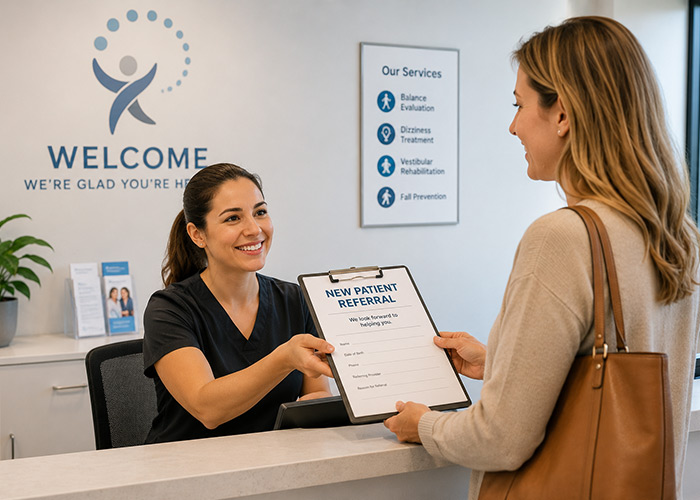
VerityMD Neurology accepts new patient referrals by fax from the patient’s primary care physician, specialist, or referring provider’s office. To ensure accurate triage, insurance verification, and appropriate scheduling, referrals should be sent directly from the referring provider’s office.
Patients who would like to be seen at VerityMD Neurology should contact their PCP, specialist, or referring provider and ask them to fax a neurology referral with relevant clinical notes, insurance information, medication list, imaging reports, lab results, and prior neurology records if available.
We accept the following insurance






What Patients Say About Their VerityMD Experience
Being heard. Finding answers. Knowing what comes next.
I found Dr Mittal and his assistants to be very thorough and kind. They did not rush me through my appointment but listened to my concerns and then they were very good about addressing those concerns. I came away from the appointment feeling so much better because they really listened to me. So many doctors these days don’t bother to examine me but that was not my experience with Dr Mittal and his assistants. The front desk people were also very kind and professional.

Excellent experience at VerityMD Neurology Clinic. The staff was professional, caring, and attentive. The doctor listened carefully to my concerns and explained everything clearly. The clinic was clean and well organized. I highly recommend this clinic to anyone looking for quality neurological care. Thank you for your excellent service.
Dr. Mittal and his team are so professional and helpful. I started seeing him last year. He has been very thorough in diagnosing my health condition. He and his staff are kind and caring.
My husband and I are very impressed with the care and professionalism of Dr. Mittal and his staff. Dr. Mittal took time to listen to us - to ask us questions - and to clearly explain the diagnosis and his treatment recommendations. We feel very fortunate - and relieved - to have this neurologist as a member of our care team.
Saw Dr. Mittal and during the first visit he was able to order a few tests that helped diagnose my issue. During the appointment he spent a good amount of time with me and made me feel heard. He was then able to see me again on short notice to help direct me towards next steps, I am very grateful to him.
My 1st appointment with Dr. Mittal, was such a pleasure & surprise. The staff & Dr. Mittal were kind & not in such a hurry. The Dr. took a half hour with me, thoroughly explaining his thoughts & what was to come. Impressed is not a strong enough adjective! Thank you for being a true Doctor who cares.
VerityMD Neurology offers expert neurological care for Sacramento, Carmichael, Folsom, and surrounding communities under the guidance of board-certified neurologist Dr. Manoj Mittal.


Quick Links
Services
Folsom Clinic
Office Hours
Mon-Fri: 8:00 AM–12:00 PM and 1:00 PM–5:00 PM
Closed for lunch: 12:00 PM–1:00 PM
Sat–Sun: Closed
Carmichael Clinic
Office Hours
Mon-Wed: 8:00 AM–12:00 PM and 1:00 PM–5:00 PM
Closed for lunch: 12:00 PM–1:00 PM
Thur, Fri, Sat–Sun: Closed
Copyright 2026. VerityMD Inc. All Rights Reserved.
Terms and conditions | Privacy Policy | Powered by Get Top Listed Inc.
Referral Information: New patients require a referral from their primary care provider or referring clinician.